
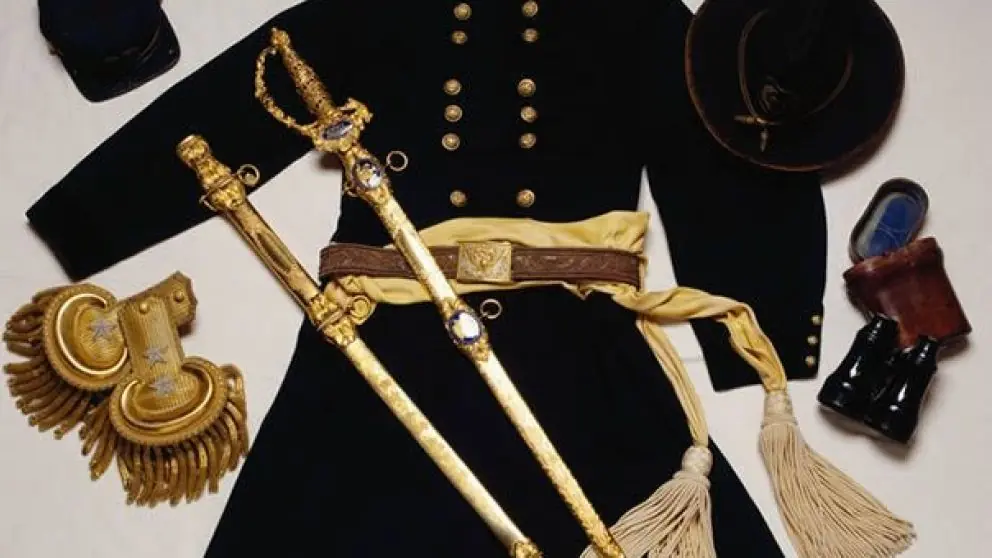
The allure of owning a piece of history is undeniable, especially when it comes to militaria from pivotal periods like the Civil and Revolutionary Wars. These artifacts, ranging from uniforms and weaponry to personal letters and flags, offer a tangible connection to our past. However, preserving these treasures requires knowledge and care. In this article, we’ll explore expert tips on maintaining the integrity and value of your Civil and Revolutionary War militaria, ensuring these historical artifacts endure for future generations.
Understanding the Material and Its Needs
Fabric Care: Textiles such as uniforms and flags are particularly vulnerable. Avoid direct sunlight, which can fade colors and weaken fibers. Store textiles flat or on custom-made mannequins and in climate-controlled environments.
Metal Preservation: Swords, guns, and medals need to be protected from corrosion. Regularly clean these items with a soft, dry cloth and consider using a light coat of oil for metals.
Paper and Document Preservation: Documents, letters, and maps should be stored in acid-free sleeves. Minimize handling and exposure to light to prevent degradation.
Environmental Factors and How to Mitigate Them
Humidity Control: Fluctuations in humidity can be detrimental. Aim for a consistent relative humidity, ideally between 40% and 50%.
Temperature Consistency: Extreme temperatures can damage militaria. Maintaining a steady, moderate temperature is key.
Avoiding Contaminants: Dust, smoke, and pollutants can cause irreversible damage. Regular gentle cleaning and display cases can help protect your items.
Displaying Your Collection Safely
Choosing the Right Display: Use UV-protected glass for display cases and avoid placing items in high-traffic areas where they might be bumped or touched frequently.
Lighting Considerations: Opt for LED lights in display cases as they emit less heat and harmful UV rays.
Rotation of Display Items: Regularly rotate items on display to prevent prolonged exposure to environmental factors.
Professional Restoration and When to Consider It
Assessing the Need for Professional Help: If an item is significantly damaged or deteriorating, consult a professional conservator.
Choosing the Right Conservator: Look for a specialist in Civil or Revolutionary War artifacts to ensure accurate and sensitive restoration.
Understanding the Restoration Process: Be aware that restoration can affect the value of an artifact. Always document the item’s condition before and after restoration.
The Importance of Preservation Preserving Civil and Revolutionary War militaria is a commitment to safeguarding our history. By following these tips, collectors can ensure their treasured artifacts remain in the best possible condition, retaining both their historical significance and value. Whether you’re a seasoned collector or new to the world of militaria, understanding the nuances of preservation is key.
At Blue Box Auction Gallery, we’re not just passionate about history – we’re committed to helping you curate your personal collection of militaria. Whether you’re looking to expand your collection with unique and authentic pieces or considering downsizing, our team of experts is here to guide you through the process. We offer a seamless experience for both buyers and sellers, ensuring that every piece of history finds its ideal home. Contact us today to explore how we can assist you in shaping your collection.