Lot 151
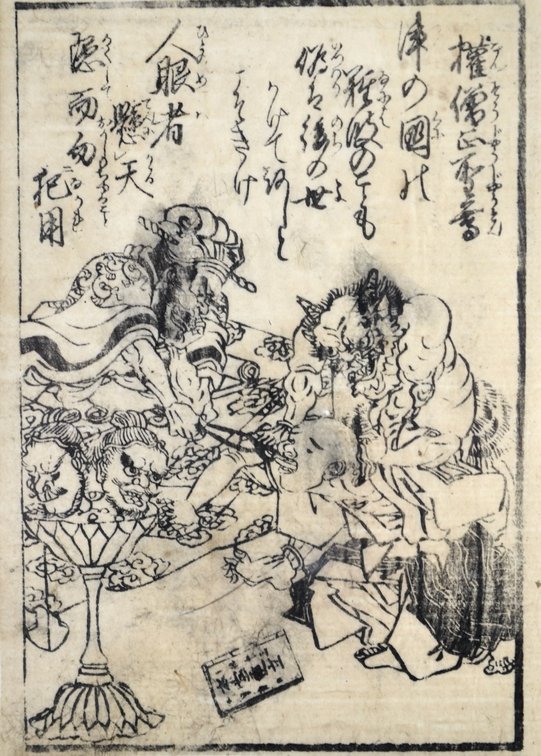
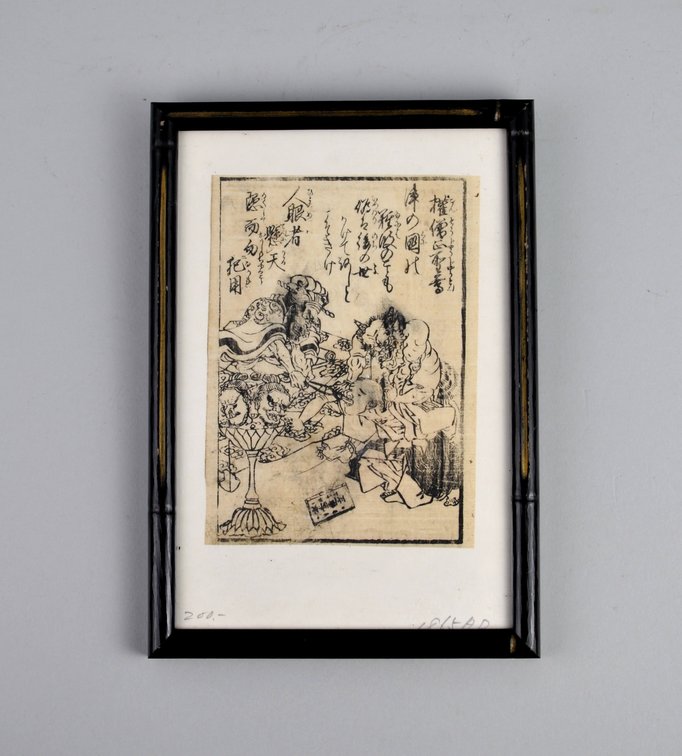
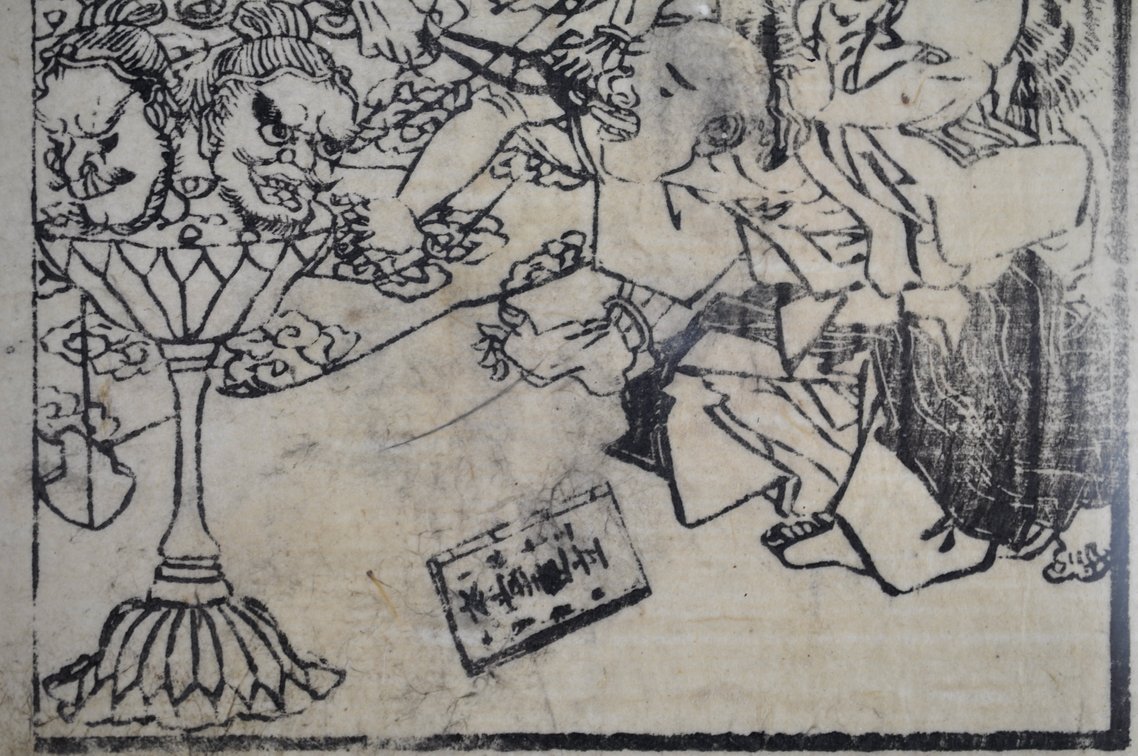
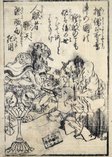
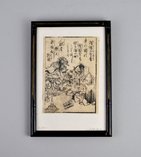
Ehon Dōjikyō “Gon-sōjō Gyōson” illustrated leaf
Live — closing Oct 29 at 1:15 pm ET
- Estimate
- $150–$250
- Starting bid
- $45
Bidding happens on our secure bidding site. Prices here were updated Oct 9 at 11:31 pm ET; the bidding site always shows the latest. Bid from your phone with the complimentary Blue Box Auction Gallery app.
About this lot
Country of Origin: Japan
Period: Edo period, early 19th century; parent work first published in Bunka 3 (1806). Exact printing date of this individual impression is unverified.
Artist: Attributed to Okada Gyokuzan I (岡田玉山), also known as Hōkyō Gyokuzan (法橋玉山)
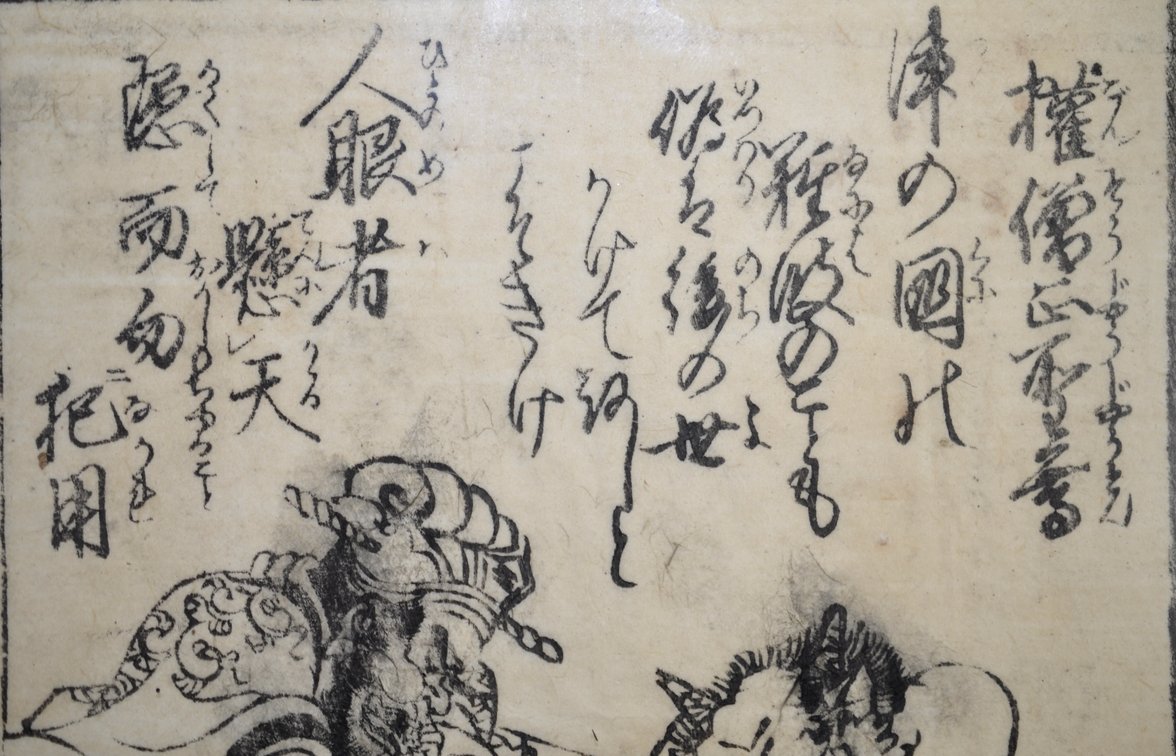
Title: Ehon Dōjikyō “Gon-sōjō Gyōson” (権僧正行尊) illustrated leaf
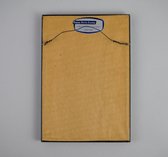
Medium: Woodblock print in black ink on Japanese paper; originally an illustrated book leaf, now framed under glass
Dimensions: Approx: 8 x 6 in.
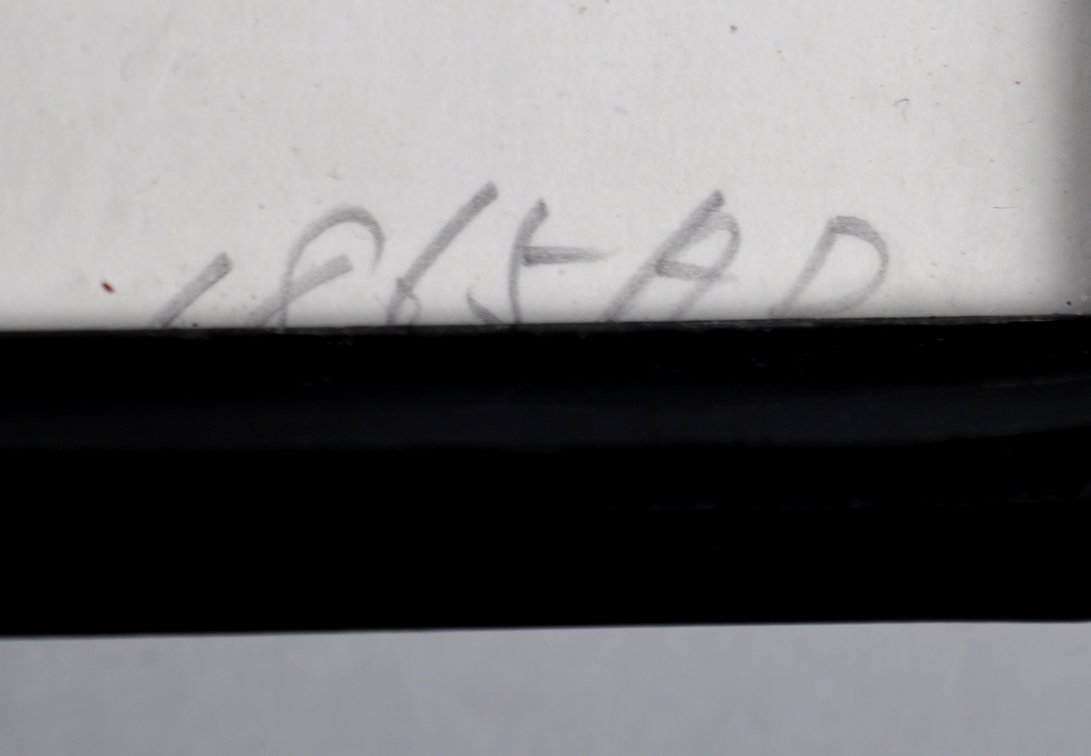
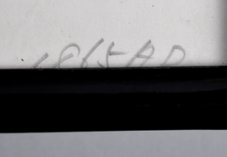
Condition: Antique toning, minor surface wear consistent with age and original book use. Printing remains strong and legible. Currently sealed in an older frame and has not been examined out of frame. Later pencil inscriptions on the surrounding mat include “1815 A.D.”
Additional Information: Attributed authentic early 19th-century Japanese woodblock printed leaf from the illustrated moral and educational work Ehon Dōjikyō (畫本童子教), associated with Osaka artist Okada Gyokuzan I. The work was originally published in Naniwa (Osaka) in Bunka 3 (1806).
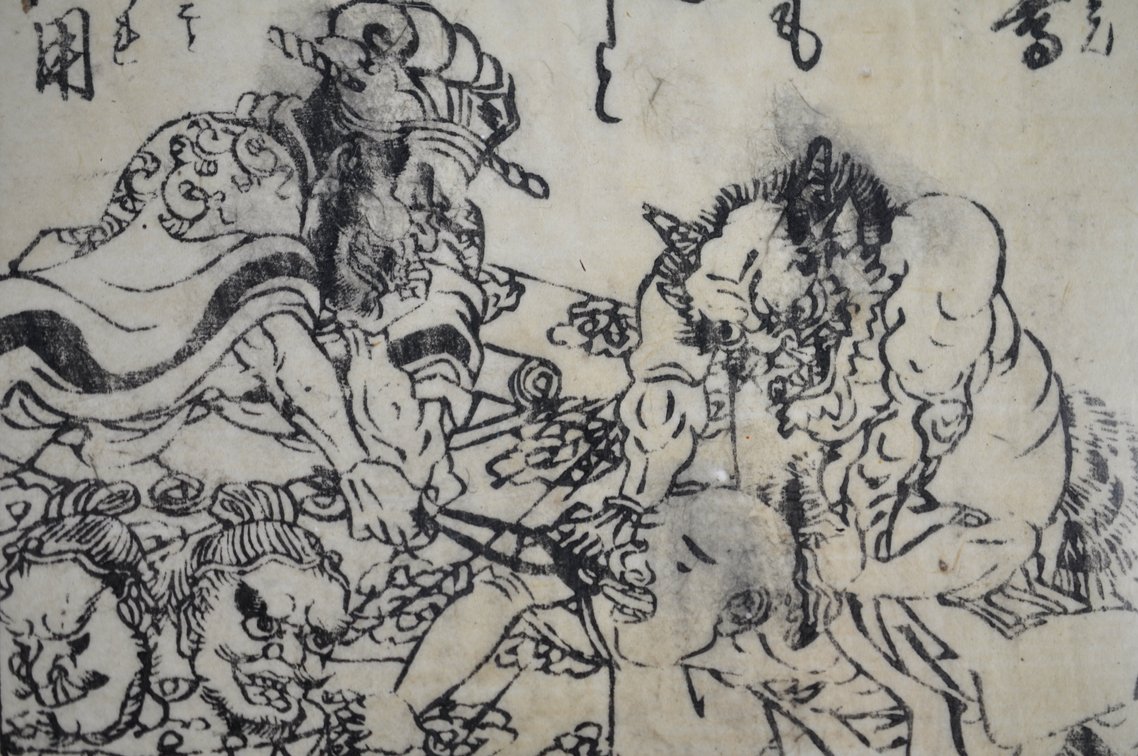
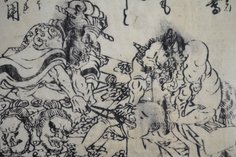
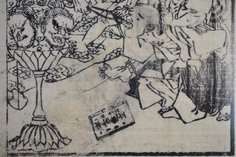
This dramatic Buddhist judgment scene depicts Enma, judge of the dead, presiding over the punishment of a condemned soul by oni attendants. The action centers on the offender’s mouth or tongue, visually reinforcing the Dōjikyō warnings against lying, slander, harmful speech and wrongdoing committed in secret. At lower left is the characteristic two headed judgment staff associated with Enma imagery.
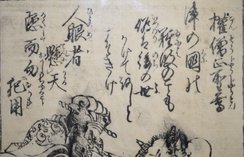
The inscription identifies the Buddhist monk Gyōson with the heading 権僧正行尊 (Gon-sōjō Gyōson) and refers to Tsu/Settsu Province. The accompanying Dōjikyō passage includes the moral warning 人眼者懸天, expressing the idea that human actions are observed by Heaven and that wrongdoing should not be committed merely because it is believed to be hidden.
The handwritten “1815 A.D.” notation is a later Western inscription on the mat rather than an original Japanese date. Bibliographic records identify the parent illustrated work as first published in 1806. The exact year in which this particular impression was pulled cannot be established while sealed in the frame, so it is best described as an Edo period, early 19th century impression rather than specifically dated 1815.
Lot details
- Lot
- 151
- Category
- Antiques and Fine Art Auction
- Estimate
- $150–$250
- Starting bid
- $45
- Bids
- 0
- Bidding closes
- Oct 29 at 1:15 pm ET